Trends and Innovation
From mechanic to electronics: the evolution of diesel injection and what it demands from the workshop
September 14, 2026 · 2 min read
Higher injection pressures, cleaner diesel and electronic control have changed the daily routine of the lab. Understand the path and what lies ahead.
Introduction
Today's diesel bears little resemblance to that of two decades ago. The change was not only in engines: it was in the fuel, the electronics, the exhaust after‑treatment, and, most importantly, the type of knowledge the workshop must possess.
Three major leaps
- Cleaner fuel. Brazilian diesel moved from sulfur contents in the thousands of ppm (S3500) to S500 and later S10, with higher cetane and fewer aromatics.
- Electronic combustion control. From mechanical injection pumps to electronic management, with sensors, actuators and a central unit that decides each injection.
- Much higher injection pressure. From levels around 1,400 bar to 2,000–2,200 bar in Euro 5 generation Common‑Rail systems. In high‑pressure injection systems such as XPI, the high‑pressure line operates in the 500 to 2,400 bar range and includes a safety valve calibrated for 3,000 bar.
Added to this is exhaust gas after‑treatment, with SCR and AdBlue, and a central unit that communicates with multiple modules via the CAN network.
What changes for the workshop and the lab
- Tighter tolerances. Higher pressures require more precise components and near‑zero contamination.
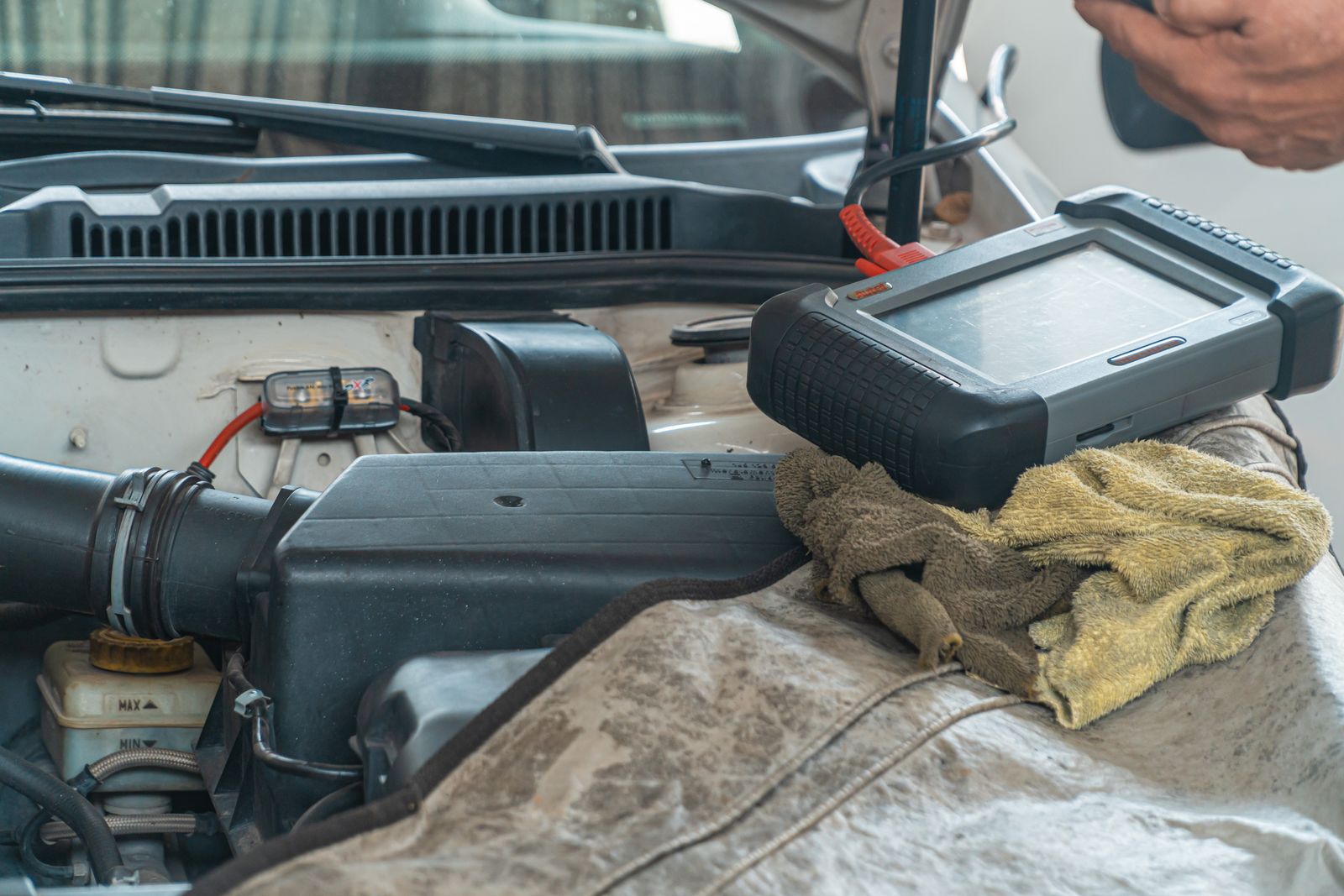
- Data‑driven diagnostics. Without a scanner, oscilloscope and reliable test bench, modern diagnostics cannot be performed.
- Continuous training. Each new system generation brings its own procedures.
- Record‑keeping and traceability. Reports with measurements are the new quality standard.
Knowledge as a competitive advantage
The more complex the system, the more valuable the skilled labor that understands it. A lab that invests in test infrastructure and training does not compete on price: it competes on precision.
Tip: map which systems arrive most frequently at your lab (first‑generation Common‑Rail, injector unit, XPI) and prioritize training and equipment for them.
Conclusion
Diesel is not disappearing; it is becoming more sophisticated. Those who keep up with technological evolution keep their business relevant and ready for the next generation.
In diesel, evolution is a matter of precision.