Business
Diesel ECU Repair: How to Increase Laboratory Revenue with Electronics
September 10, 2026 · 2 min read
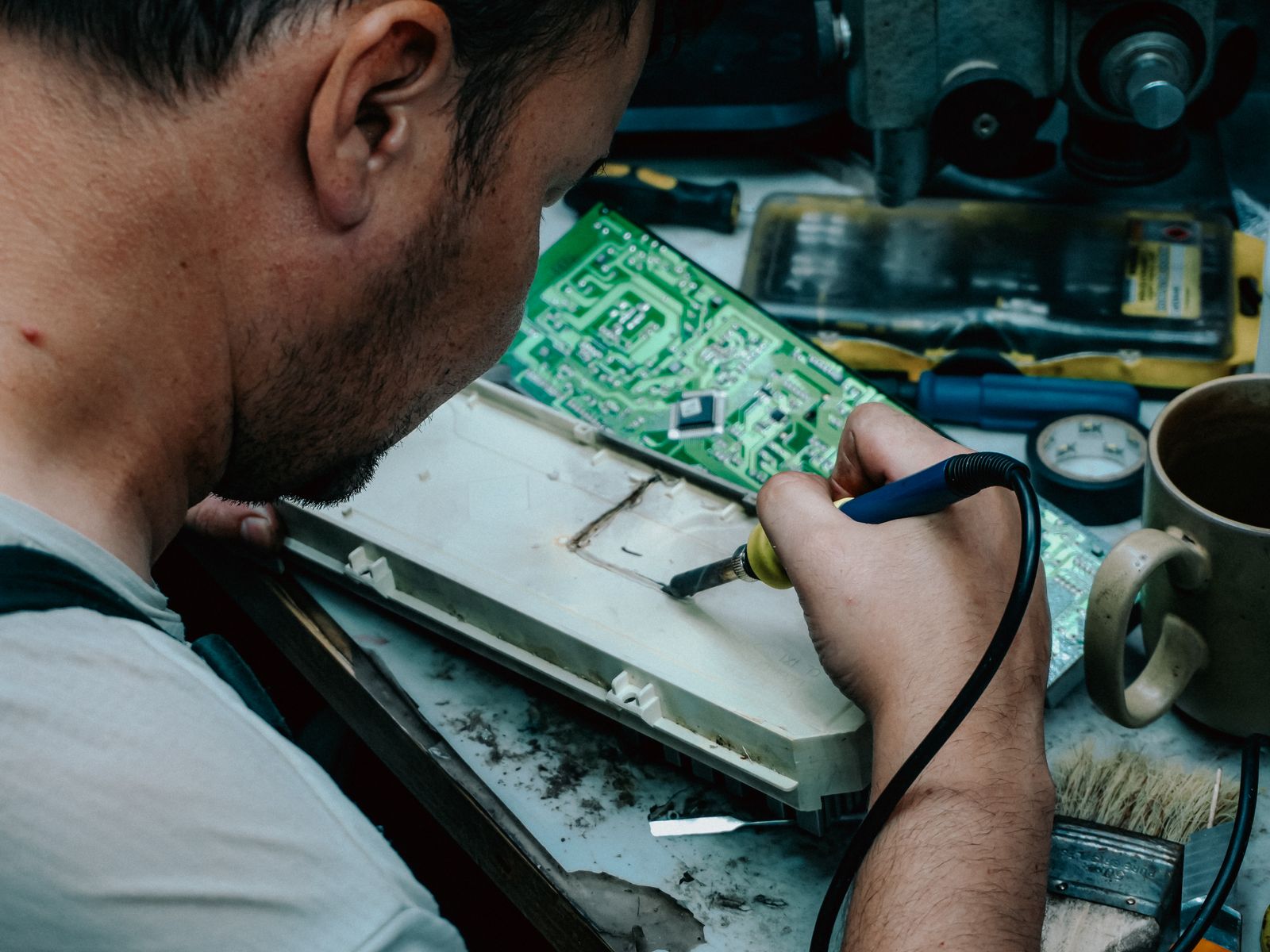
The electronic control unit is the brain of the injection system and one of the most common failures in modern diesel engines. Understand how it works and why it’s worth adding repair to your portfolio.
Introduction
Many diesel labs specialize in pumps and injectors, but they return the electronic control unit (ECU) to the customer to be replaced with a new one—or they refer the service to another professional. This is a service that can leave your shop with revenue attached.
How the ECU Works
The electronic injection system has three groups of components:
- Sensors: convert physical quantities (temperature, speed, pressure) into electrical signals.
- Actuators: execute the commands from the ECU, such as firing an injector.
- ECU: processes the signals and drives the outputs. It is the main component of the system.
Sensor signals are analog (generally between 0 and 5 volts). The ECU only understands digital signals, so an A/D converter turns them into numbers and compares them with the maps stored in memory. The 12‑volt battery supply is internally regulated to 5 volts, and protection circuits shield the board from spikes and shorts.
Where Failures Usually Appear
Among the board components, the drivers (power stages that drive the actuators) are the ones that burn out most often, because they handle the highest currents. Power‑supply and protection‑circuit failures are also frequent. Whoever masters the electronics can identify the faulty component and repair it, instead of condemning the entire ECU.
Why This Matters for Your Business
- Another service for the same client. A customer who brings an injector or pump may also have an ECU issue.
- Fewer new parts, more repairs. The client pays less and the lab builds loyalty.
- Technical differentiation. Few labs perform this type of repair with quality.
Tip: Start with the basics — electronics fundamentals, schematic reading, and instrumentation (multimeter, oscilloscope, power supply). Then move on to board repair.
Conclusion
Expanding the portfolio with electronics turns a recurring customer problem into laboratory revenue. A lab equipped to test and repair delivers a complete service with greater confidence.
In diesel, those who master electronics close the diagnostic loop.