Technical
Common Rail engine won't start? Failure code diagnostic sequence for the tank
September 26, 2026 · 2 min read
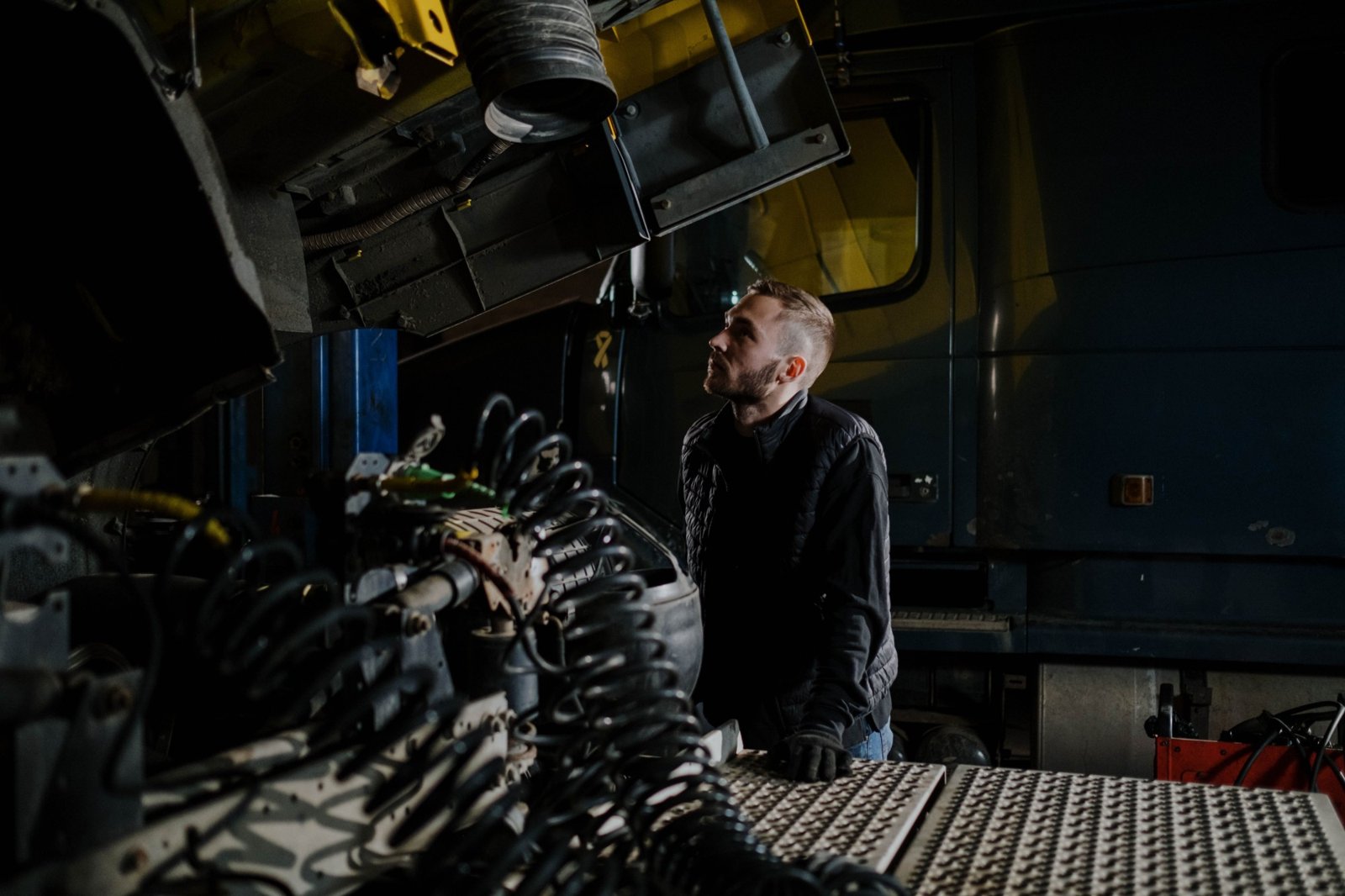
A simple flowchart separates electrical from mechanical issues and avoids swapping expensive parts unnecessarily. See the correct order to investigate a non‑starting engine.
Introduction
A Common Rail engine that won’t start is one of the most frequent calls — and one of those that most often leads to mistakes. Rushing can lead to condemning the high‑pressure pump or injectors before eliminating simple causes. The result is well known: part replaced, same problem, dissatisfied customer.
The solution is to follow a sequence. From the simplest and cheapest to the most expensive.
Step 1: start with the fault codes
Read the engine control unit memories and also those of related modules (ABS, SCR, for example). The code is not the diagnosis, but it points you to the right circuit. Typical examples: rail pressure sensor, fuel regulator valve, injector current circuit.
Step 2: check the pressure at start‑up
Observe the rail pressure during cranking. Reference flowcharts used in workshops adopt around 200 bar as the minimum value for the engine to fire. If the pressure doesn’t reach that, the path splits into two: electrical or mechanical issue.
Electrical path
- Battery and alternator voltage
- Reliable ground
- Module power supply, fuses and relays
- Wiring harness and connectors
- Crank and phase signals
- Sensors (rail pressure, coolant temperature, oil pressure)
- CAN‑bus communication
On the high‑pressure pump’s regulator valve, check the coil resistance and the command PWM signal.
Mechanical path
- Injector return (static test): excessive return causes the system to lose pressure.
- Pressure‑limiting valve and peak‑relief valve.
- High‑pressure pump: evaluate flow and pressure.
- Low pressure: electric or gear pump, filter and supply lines.
- Tank: suction, debris and air ingress.
Practical application
Before condemning the high‑pressure pump or injectors, eliminate low pressure and electrical supply issues. These are the simplest and most frequent causes. Record each measurement: the history shows what has been ruled out and prevents repeating tests.
Tip: an engine that won’t start with low pressure and high injector return points to the injector. Low pressure with normal return points to the pump or its supply.
Conclusion
An organized diagnosis reduces bench time, cuts rework and increases the number of jobs per day. Those who follow a flowchart spend less and get it right more often.
In diesel, the order of tests is as valuable as the equipment.